|
Hydrogen storage in salt caverns is increasingly recognised as a practical component of Europe’s low-carbon energy strategy. Supported by the European Commission and national governments, this solution enhances the resilience and flexibility of future hydrogen infrastructure.
It is also being incorporated into the European Hydrogen Backbone, the cross-border network designed to connect production hubs with areas of high demand. With their ability to store large volumes and respond to supply-demand fluctuations, salt caverns provide a reliable way to stabilise the hydrogen system.
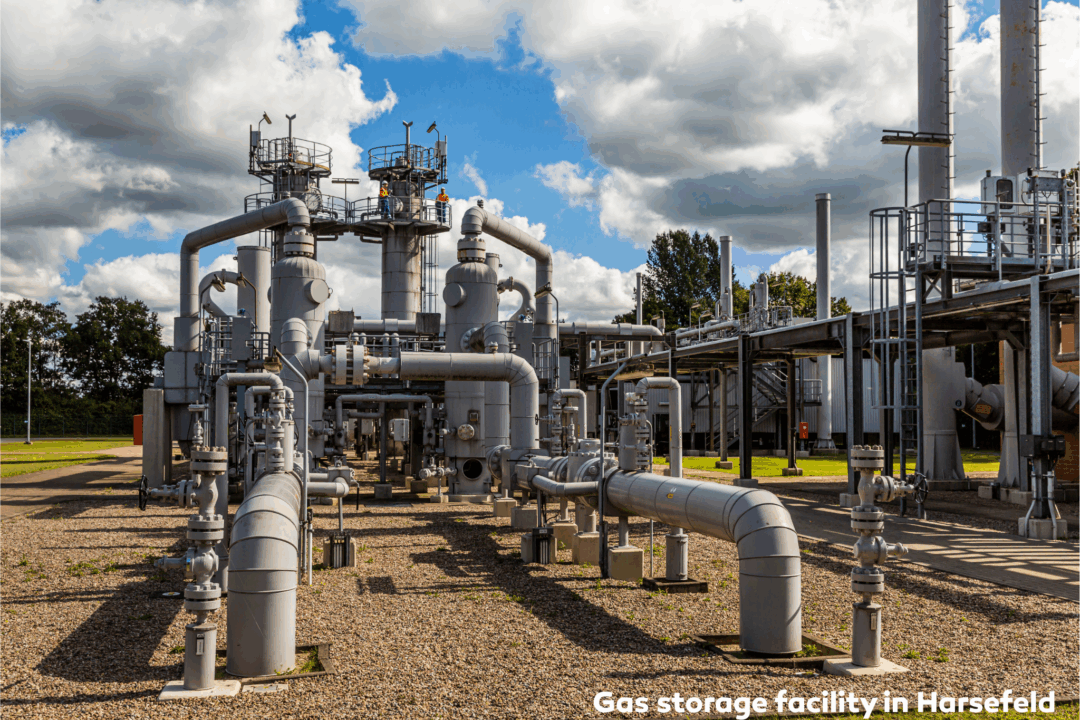
Several Member States are now integrating large-scale storage into their national hydrogen strategies. In Germany, major investments are underway to convert existing gas storage sites into hydrogen-ready infrastructure.
According to a white paper by the Federal Ministry for Economic Affairs and Climate Action (BMWK), the country’s salt caverns have the potential to meet long-term hydrogen storage needs not only domestically, but also at the European scale.
In this context, both salt caverns and porous reservoirs are expected to play a central role...
|