


Must-read highlights from FrHyGe – September 2026 #3
From ambition to reality: connecting hydrogen systems across Europe
Europe’s hydrogen strategy is entering a decisive phase.
While ambitious targets have been set — including 10 million tonnes of domestic renewable hydrogen production by 2030 — the reality on the ground remains more complex.
Projects are emerging across Europe, but many still face delays, regulatory uncertainty and economic challenges.
Indeed, the challenge is no longer about ambition — but about implementation.
While projects are multiplying across Europe, many still face delays, regulatory uncertainty and economic challenges.
In particular, current frameworks — including rules on renewable hydrogen (RFNBO) — can slow down projects development and investment decisions.
At the same time, the European Union is strengthening its policy framework through initiatives such as the Clean Industrial Deal, aiming to support industrial decarbonisation and accelerate deployment.
One key question is becoming increasingly clear:
How can Europe move from hydrogen ambitions to a fully operational energy system?
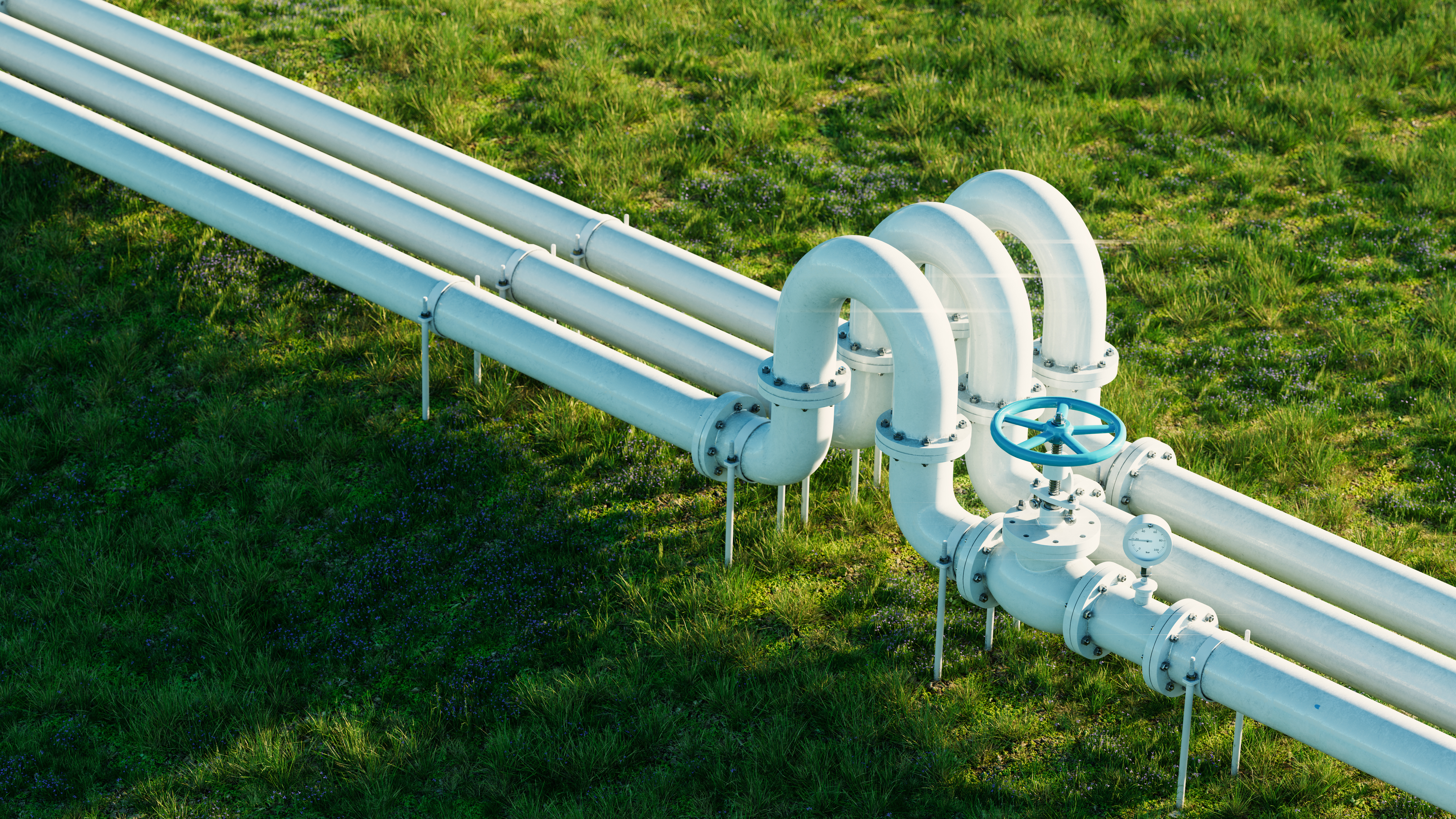
The answer lies not only in production — but in infrastructure.
Building a functioning hydrogen economy requires connecting production, transport and storage into a coherent and resilient system.
As hydrogen demand grows and systems become more complex, infrastructure will play a central role in ensuring flexibility, security of supply and cross-border integration.
This is exactly where FrHyGe comes in.
By demonstrating the feasibility of fast-cycling hydrogen storage in salt caverns, FrHyGe contributes to one of the key building blocks of this future system — enabling the transition from isolated projects to a scalable and interconnected European hydrogen network.